Suspension upgrades can dramatically improve the handling and stance of your BMW E36, but only if alignment geometry is properly corrected.
One of the most common issues enthusiasts face after lowering their car is excessive negative camber, which leads to uneven tire wear, unstable handling, and reduced braking performance. This is where adjustable control arms play a critical role.
Designed for BMW E36 3-Series models from 1992 to 1998, adjustable control arms allow you to fine-tune camber settings from –1.0° to +3.0°, helping restore proper suspension geometry after lowering or performance modifications
What Problem Do Adjustable Control Arms Solve?
From the factory, OEM control arms are fixed-length. Once ride height is altered, the suspension geometry changes, often pushing camber beyond ideal ranges. This results in:
- Accelerated inner tire wear
- Reduced straight-line stability
- Inconsistent steering feedback
Adjustable control arms solve this by allowing precise length adjustment (525–570 mm), giving alignment shops the flexibility to dial in correct camber settings for both street and track use.
Before You Begin Installation
Before installing adjustable control arms, it’s important to understand that this is not an OEM part and installation must follow the original BMW service manual for your specific E36 model. Improper installation may lead to component damage or voided vehicle warranties. For safety and compliance reasons, all suspension modifications should be handled by qualified professionals only.
Additionally, ensure the vehicle remains compliant with local laws and that the modification is used only in legally permitted scenarios.
Installation Overview
- While exact steps should be referenced from the BMW factory service manual, the general process includes:
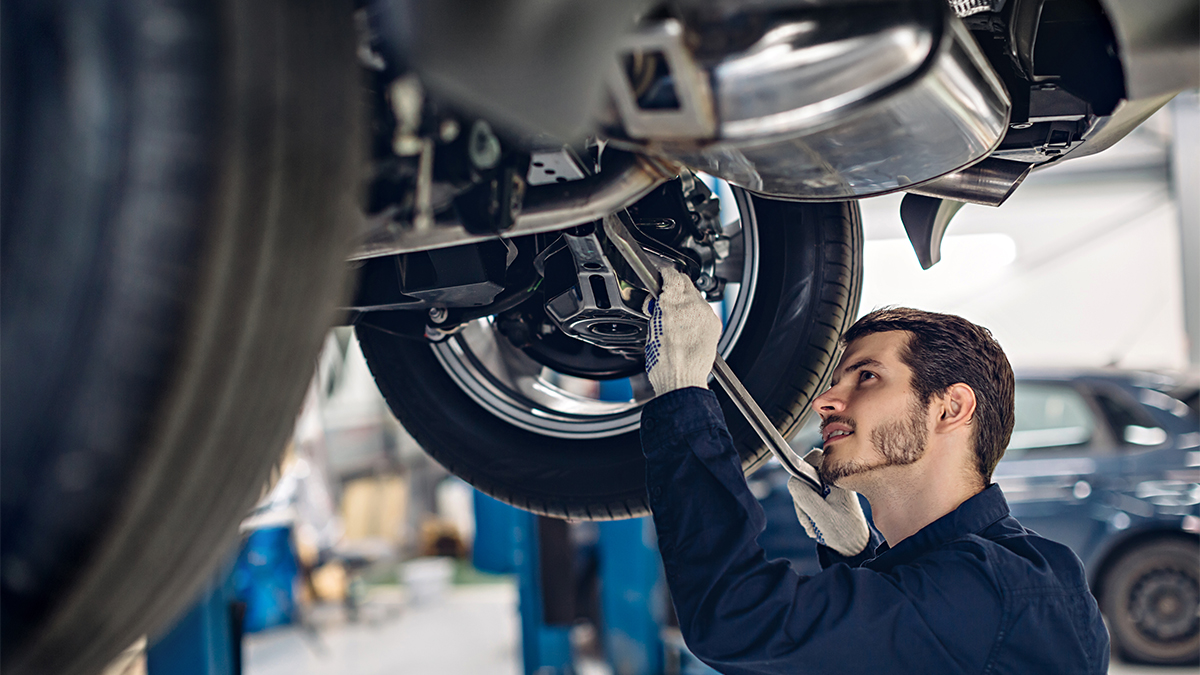
- Safely lifting the vehicle and removing the factory control arms
- Measuring and presetting the adjustable control arms to match OEM length
- Installing the new control arms using factory torque specifications
- Ensuring all fasteners are properly secured
- Performing a professional wheel alignment immediately after installation
Skipping alignment is a common mistake and can negate the benefits of adjustable control arms entirely.
Final Thoughts
Adjustable control arms are an essential upgrade for any lowered BMW E36. They don’t just improve aesthetics, they protect your tires, improve handling balance, and restore confidence behind the wheel.
When installed correctly and paired with a proper alignment, they help ensure your suspension upgrades perform as intended.
If you’re experiencing uneven tire wear or struggling to achieve correct alignment after lowering your E36, adjustable control arms may be the solution your build needs.