A turbocharger is one of the most important components in a performance-oriented engine. It improves power, efficiency, and throttle response by forcing more air into the combustion chamber. However, because a turbo operates under extreme heat and high rotational speeds, regular inspection is essential. If a turbo begins to fail, it can quickly lead to reduced performance or even engine damage.
The good news is that you do not need to be a professional mechanic to perform a basic turbocharger health check. With a few simple steps, car owners can identify early warning signs and keep their turbo system running smoothly.
1. Check for Unusual Noises
One of the earliest signs of turbo trouble is abnormal noise. A healthy turbo typically produces a smooth spool sound during acceleration. If you hear high-pitched whining, grinding, or metallic scraping, it may indicate worn bearings or contact between internal components.
These sounds often become more noticeable under load or when the turbo begins to build boost. If the noise suddenly becomes louder than usual, it is worth inspecting the system before further driving.
2. Inspect for Oil Leaks
Turbochargers rely heavily on proper lubrication. Oil flows through the turbo’s bearings to reduce friction and remove heat. When seals start to wear out, oil may begin to leak.
Check the area around the turbo housing, oil feed lines, and intercooler piping for oil residue. A small amount of oil mist can be normal, but visible leaks or oil pooling are warning signs that should not be ignored.
3. Monitor Exhaust Smoke
Excessive exhaust smoke can also signal turbo problems. Blue smoke from the exhaust often indicates oil entering the combustion chamber, which may result from worn turbo seals.
White or black smoke can sometimes point to airflow or fuel mixture issues related to turbo performance. If smoke appears suddenly, especially during acceleration, it is a good idea to inspect the turbo system.
4. Check Boost Performance
A noticeable drop in engine power may suggest the turbo is not producing the expected boost pressure. This can be caused by worn internal components, boost leaks, or damaged hoses.
Drivers may experience slower acceleration, reduced responsiveness, or difficulty reaching normal boost levels. Checking intake connections, clamps, and vacuum lines can help identify simple issues before they become larger problems.
5. Inspect the Turbo Shaft for Play
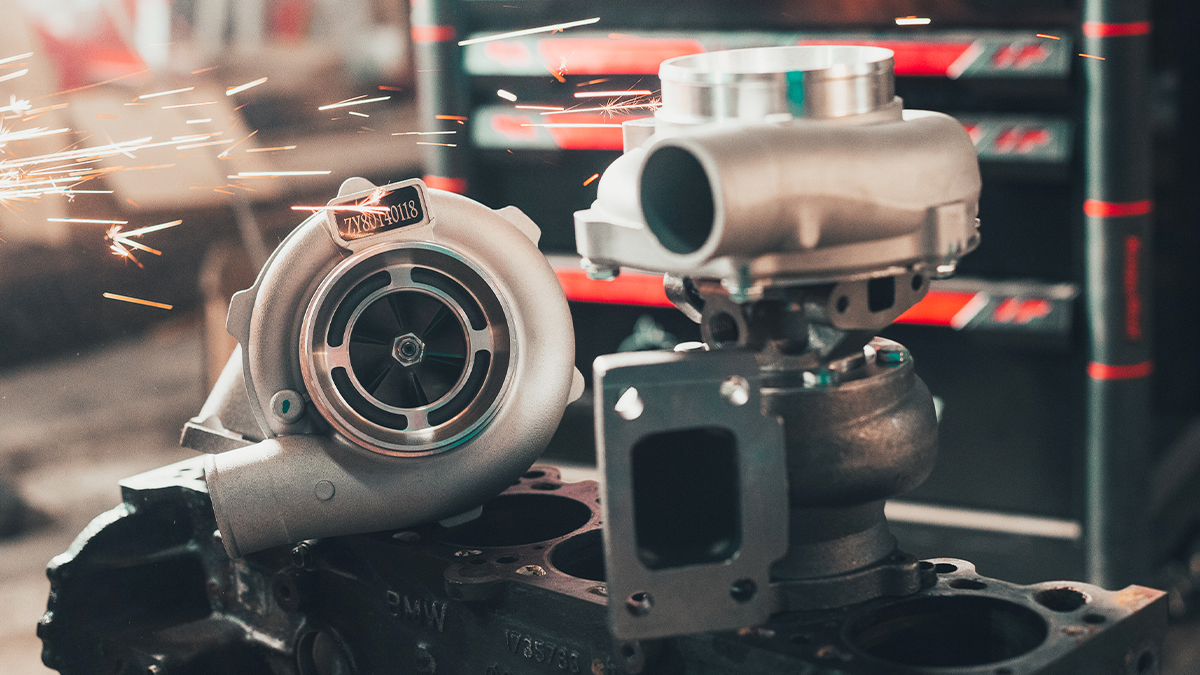
If you are comfortable performing a visual inspection, removing the intake pipe allows you to check the turbo shaft. Gently move the compressor wheel with your fingers. A small amount of side-to-side movement is normal, but excessive play or contact with the housing can indicate worn bearings.
It is also important to ensure the compressor blades are clean and free from damage.
Keep Your Turbo Running Strong
Regular inspections can help detect problems early and extend the life of your turbocharger. Listening for unusual noises, checking for leaks, and monitoring engine performance are simple habits that can prevent costly repairs later on.
If your inspection reveals excessive shaft play, oil leaks, or damaged compressor blades, it may be time to consider a replacement turbocharger. Driving with a failing turbo can lead to reduced performance, poor fuel efficiency, and in severe cases, engine damage.
For enthusiasts looking for reliable and performance-focused turbo upgrades, Maxpeedingrods offers a wide range of turbochargers designed for popular platforms. Whether you’re restoring factory boost or planning your next upgrade, choosing a quality turbo can help keep your setup running strong and your build moving forward.