Winter can be tough on any vehicle. Cold temperatures, road salt, moisture, and rough road conditions all take a toll on critical components. Even if your car ran fine during the colder months, small issues may start to appear once temperatures rise and driving conditions change.
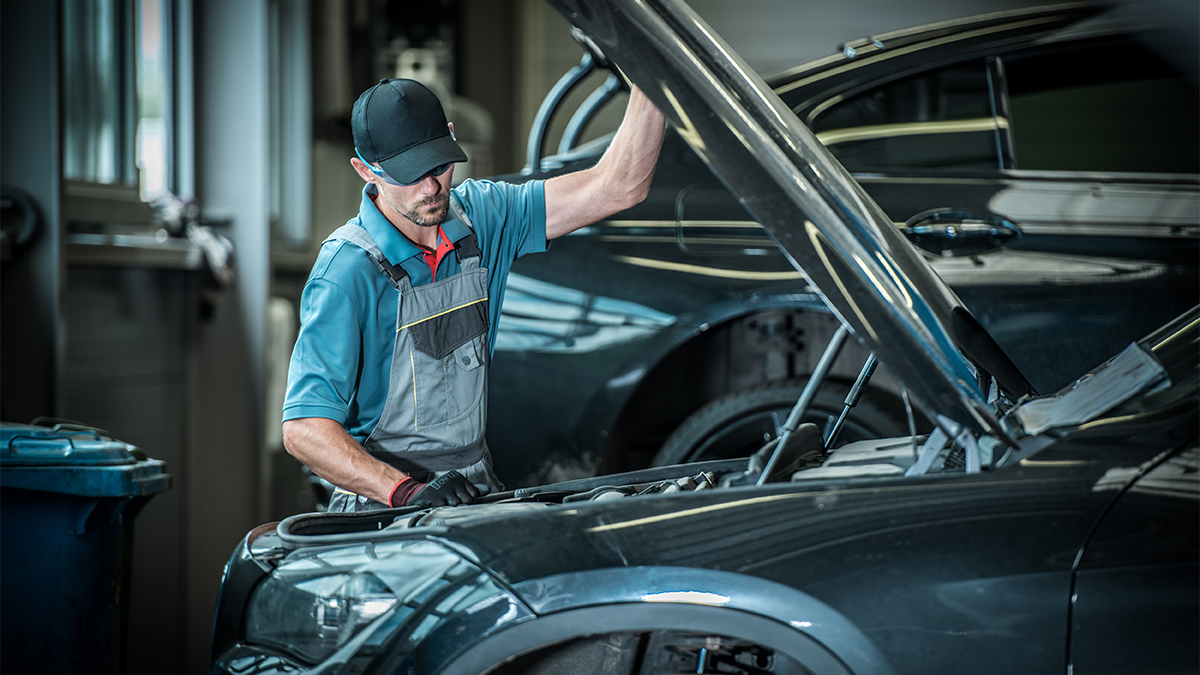
Early spring is a good time to give your vehicle a quick inspection. Catching minor problems early can prevent bigger repairs later, and ensure your car is ready for the months of driving ahead. Here are five important areas to check after a long winter.
1. Suspension and Shock Absorbers
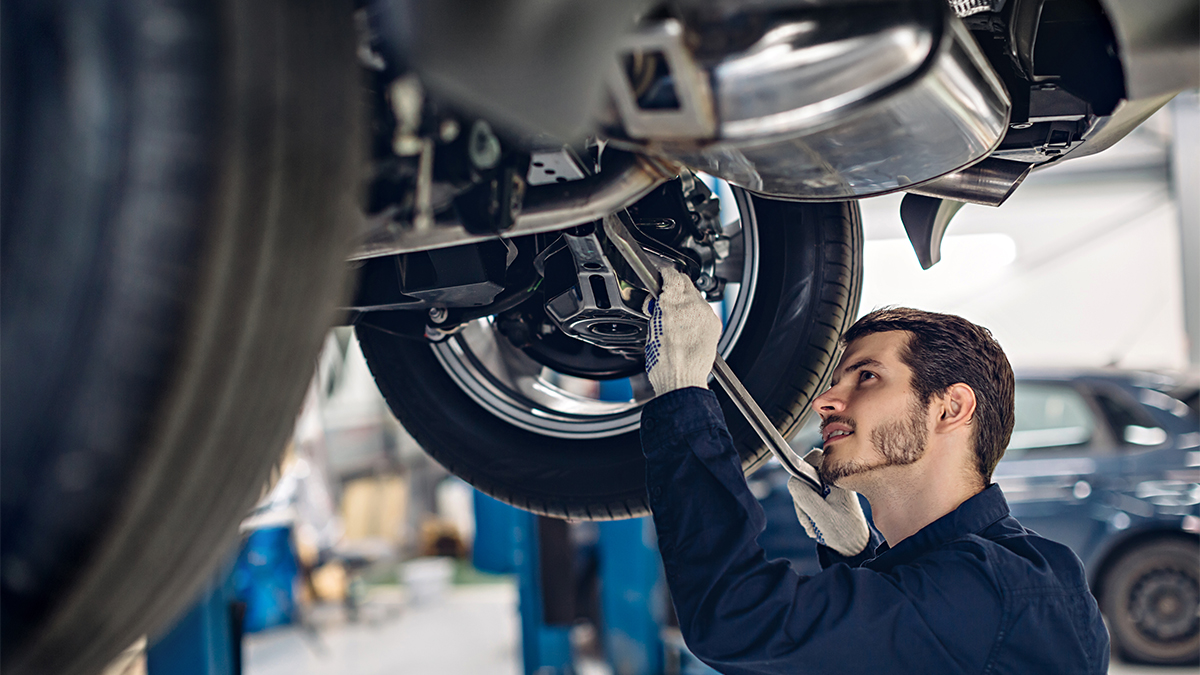
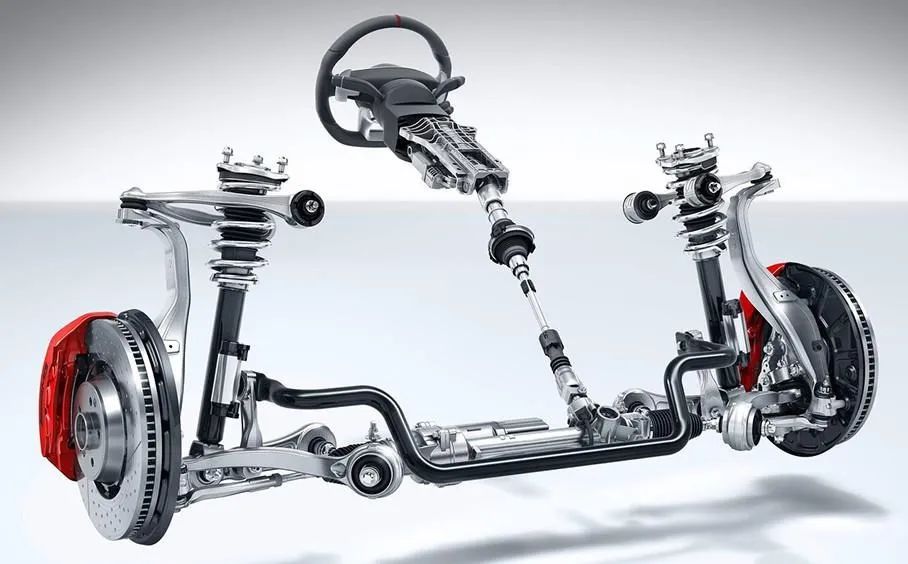
Winter roads are often filled with potholes, uneven surfaces, and hidden bumps beneath snow or ice. Over time, these impacts can accelerate wear on shocks, struts, and suspension components.
Pay attention to signs like excessive bouncing, nose-diving when braking, uneven tire wear, or a rough ride. These can indicate worn shocks or struts. If the vehicle feels less stable than before winter, it may be time to replace aging suspension parts.
OE-style replacement shocks are a good solution for drivers who want to restore the factory ride quality without changing ride height or comfort. Fresh dampers can significantly improve stability and handling, especially for daily drivers.
2. Rubber Bushings and Control Arms
Cold temperatures can harden rubber components, and road salt can accelerate corrosion on metal suspension parts. Control arm bushings and mounts are particularly vulnerable during winter months.
Check for cracked rubber, looseness, or unusual clunking noises when driving over bumps. Worn bushings can affect alignment and steering feel, making the car less predictable on the road.
If these components show visible wear, replacing them with OE-style parts can restore proper suspension geometry and smooth handling.
3. Brake Components
Brakes experience constant exposure to moisture and salt during winter driving. Surface rust on brake rotors is common, but excessive corrosion or uneven braking should not be ignored.
Look for vibration when braking, unusual noises, or longer stopping distances. Inspect brake pads and rotors to ensure they still have sufficient material and smooth surfaces.
Addressing brake wear early helps maintain consistent stopping power and driving safety.
4. Battery and Electrical System
Cold weather puts extra strain on batteries. Even if your vehicle started reliably during winter, the battery may have lost some capacity.
Check battery terminals for corrosion and ensure connections are secure. If you notice slow engine cranking or dim lights, it could be a sign that the battery is nearing the end of its lifespan.
Electrical systems, including lighting and sensors, should also be checked to confirm everything is operating normally.
5. Tires and Tire Pressure
Temperature changes can cause tire pressure fluctuations, and winter driving conditions often accelerate tire wear. Uneven tread patterns may indicate alignment or suspension issues.
Inspect tire tread depth and look for irregular wear patterns. Also make sure all tires are inflated to the manufacturer’s recommended pressure.
Proper tire maintenance improves handling, fuel efficiency, and overall driving safety.
Get Your Car Ready for the Season Ahead
A simple post-winter inspection can go a long way in keeping your vehicle reliable and comfortable. Many small issues, especially worn suspension components, become more noticeable once roads improve and driving speeds increase.
If you find that shocks or suspension parts need replacement, OE-style components can help restore the original ride quality and handling your car was designed for. Maxpeedingrods offers OE replacement suspension options designed to fit a wide range of vehicles, making it easier to refresh your setup and enjoy a smoother drive throughout the spring and summer months.