If your car feels stiffer, noisier, or less comfortable on cold mornings, you’re not imagining things. Many drivers notice that their suspension doesn’t feel the same in winter. The ride can feel harsher over bumps, steering feedback may change, and small road imperfections seem more noticeable than usual.
This isn’t a defect. It’s simply how suspension components react to low temperatures.
Here’s what’s happening behind the scenes, and what you can do to keep your ride consistent.
Cold Temperatures Thicken Shock Oil
Inside every shock absorber or strut is hydraulic oil that controls damping. This oil flows through internal valves to manage how fast the suspension compresses and rebounds.
When temperatures drop, that oil becomes thicker (higher viscosity). Thicker oil flows more slowly, which increases damping force. In practical terms, your shocks resist movement more than usual.
That’s why your car may feel:
• Stiffer over small bumps
• Less compliant on rough pavement
• Slightly “tight” or firm during the first few miles
After driving for a while, the shocks warm up and the oil thins out, so the ride often becomes smoother again.
Rubber Bushings and Mounts Also Harden
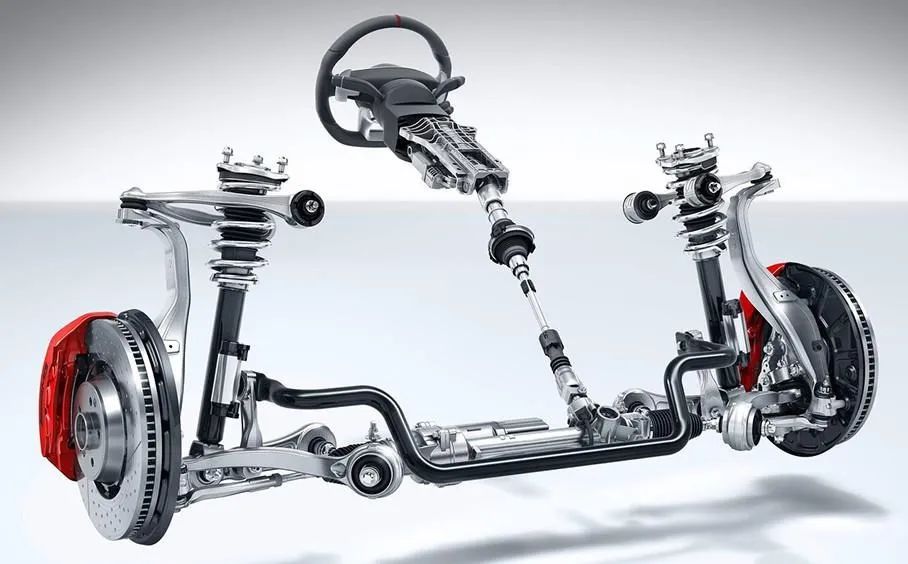
It’s not just the shocks. Rubber components—like control arm bushings, top mounts, and isolators—also react to cold weather.
Rubber stiffens in low temperatures, reducing its ability to absorb vibration. This can lead to:
• More road noise
• Extra vibration in the cabin
• Squeaks or light clunks
• Less overall comfort
Older or worn bushings exaggerate these symptoms, which is why winter often “reveals” suspension problems that weren’t obvious in warmer months.
Worn or Aging Shocks Feel Worse in Winter
If your suspension already has high mileage, cold weather tends to highlight the weakness. Leaking seals, tired damping, or soft mounts struggle even more when oil thickens and rubber stiffens.
That’s when you might notice:
• Excessive bounce
• Uneven ride height
• Poor stability on highways
• Longer braking distances
In many cases, winter is when drivers finally realize their factory shocks are overdue for replacement.
What You Can Do
First, give your car a few minutes to warm up and drive gently during the first miles. This helps suspension components reach normal operating temperature.
Second, inspect your suspension regularly. Look for leaks, cracked bushings, or uneven tire wear.
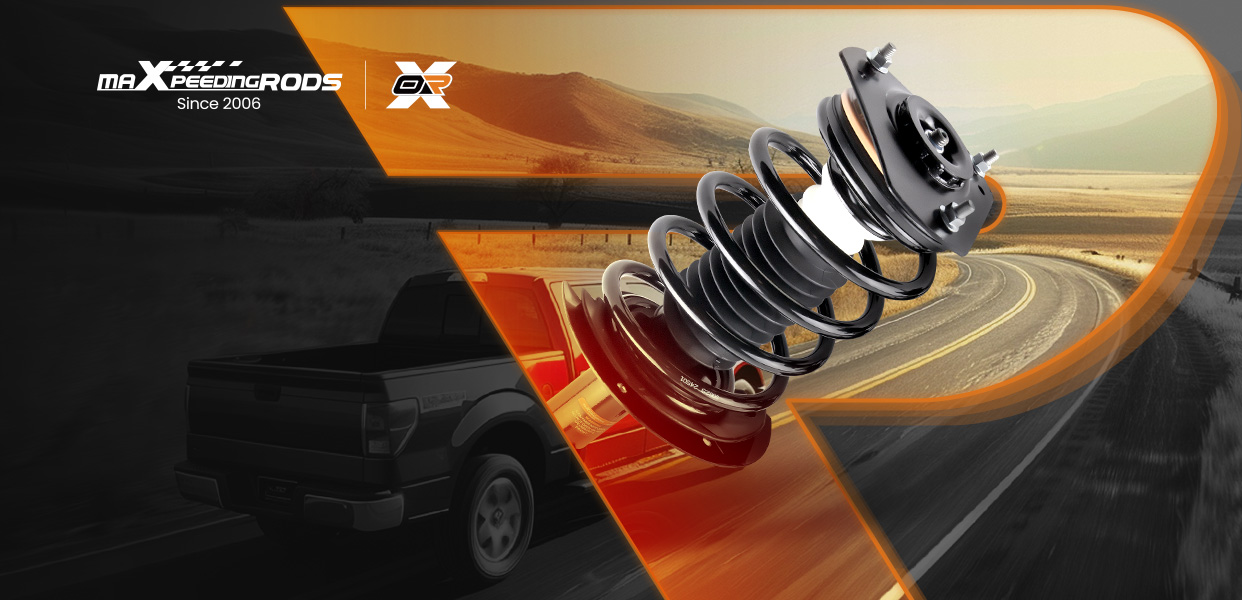
If your ride quality has clearly declined, upgrading to fresh, properly matched dampers can make a big difference. OE-style replacement options like the MaXpeedingRods OXR Series are designed to match factory height and comfort while restoring consistent damping performance.
For drivers who want more adjustability and control, coilover offer tunable ride height and damping to better adapt to different conditions and driving styles.
Cold weather will always affect suspension behavior to some degree, but healthy, well-designed components keep those changes minimal. A properly maintained setup means your car feels predictable and comfortable year-round—not just in summer.